Erdana: The Typeface Bridging Fashion and Digital Branding
Imagine scrolling through a crowded marketplace or an endless digital feed. Amidst the visual noise, a specific garment or product stops you dead in your tracks. Often, the difference between "scroll past" and "stop and stare" isn't just the product itself, but the typography used to present it. We have all seen the standard, safe fonts that blur into the background, failing to capture the energy of a brand. However, finding a typeface that carries the weight of high-end fashion while maintaining the versatility required for modern digital assets can be a daunting task. This is where the conversation shifts, and where a specific design asset begins to take center stage.
A Visual Identity Rooted in Versatility
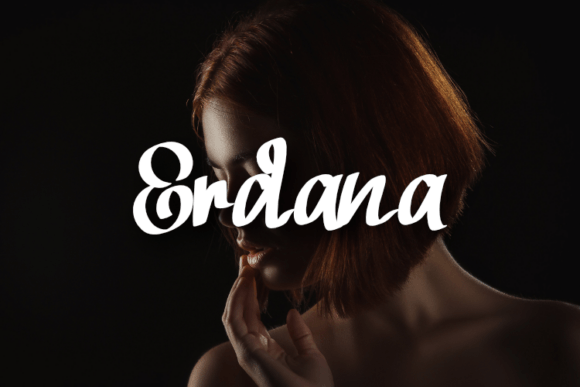
When we look at Erdana, we are not just looking at another set of letters; we are examining a tool designed to bridge the gap between tactile fashion and digital presence. In the world of apparel and merchandise, the font needs to do more than just spell out a word; it needs to evoke a feeling. Erdana positions itself as a versatile asset, crafted specifically for the fashion-forward creator. Whether you are a designer sketching out the next streetwear drop or a small business owner creating packaging for handmade goods, the visual weight of this typeface is immediately apparent. It manages to feel curated and premium without being inaccessible, striking a balance that is essential for modern branding.
The appeal lies in its adaptability. Too often, fonts are pigeonholed. A script font might look beautiful on a wedding invitation but falls apart when used on a website header. A bold display font might look great on a poster but is illegible on a mobile screen. Erdana navigates these challenges by offering a design that feels at home in multiple contexts. It is the kind of typeface that elevates a simple t-shirt design into a fashion statement, transforming standard marketing collateral into something that feels bespoke and intentional.
From Concept to Commercial Reality
For the creative entrepreneur or the marketing professional, the journey from a sketch to a finished product is fraught with technical hurdles. One of the most common frustrations in the design process is finding a font that looks perfect on screen but causes compatibility issues when imported into different software environments. This is a practical reality that Erdana addresses head-on. By providing both OTF (OpenType Font) and TTF (TrueType Font) files, it ensures that the transition from your design software—be it Adobe Illustrator, Photoshop, Procreate, or even Canva—is seamless. This technical reliability means you spend less time troubleshooting file errors and more time focusing on the creative execution of your vision.
Think about the lifecycle of a single design project. You might start by creating a logo for a new boutique. From there, you need to apply that same visual language to hang tags for clothing, headers for an e-commerce website, and promotional graphics for Instagram and Pinterest. If the font file is finicky or renders differently across platforms, your brand identity suffers. Visual consistency is the bedrock of brand recognition. When a customer sees your packaging, they should immediately recognize the same typography they saw on your social media story. Erdana’s file structure supports this consistency, allowing the typeface to remain a constant, reliable thread throughout your entire brand ecosystem.
Practical Applications in the Real World
Let’s get specific about where this font shines. In the realm of packaging design, first impressions are everything. A product sitting on a shelf—or displayed as a thumbnail online—has only a fraction of a second to communicate its value. Erdana’s aesthetic leans toward a modern, clean sensibility that suggests quality. It works exceptionally well for beauty products, lifestyle brands, and artisanal goods where the typography needs to whisper "luxury" rather than scream "discount."
For those involved in editorial design or blogging, the font serves a different but equally important purpose. While body text usually requires a highly legible, standard sans-serif or serif font, headlines and pull quotes need personality. Using Erdana for your H1 tags or subheadings can break up the monotony of a text-heavy page, drawing the reader's eye to key points and improving the overall engagement of the content. It adds a layer of professionalism to digital publishing that generic system fonts simply cannot provide.
Furthermore, the world of merchandise is booming. From tote bags to mugs to hoodies, creators are looking for designs that people actually want to wear and use. A typeface that works well on apparel needs to have a certain rhythm and flow. It needs to look good embroidered, screen-printed, or heat-pressed. Erdana’s structure lends itself well to these applications, offering a clear, impactful silhouette that translates well from digital vector files to physical production methods.
Strategic Typography and Brand Psychology
Choosing a font is rarely just about aesthetics; it is a strategic decision about brand identity. Typography communicates tone. A jagged, aggressive font says something very different than a soft, rounded one. Erdana offers a voice that is confident and contemporary. It suggests a brand that is aware of current trends but is not desperate to chase every fleeting fad. This makes it a strong candidate for startups and established businesses alike who want to project stability and style.
Consider the concept of font pairing. No font is an island; it usually needs to work alongside other typefaces. Erdana’s versatility makes it a generous team player. It can stand alone as a bold headline font, but it also pairs well with simple, clean sans-serifs for body copy. When selecting a pairing, the goal is contrast without conflict. You want the headline to pop, but you don't want the two fonts fighting for attention. Testing these combinations is a crucial step in the design process. A practical tip is to lay out a mock-up of your website or product label and view it at various sizes. Does the font hold up when it’s small? Does it retain its character when it’s blown up large?
Another consideration is readability. A creative font is useless if the audience cannot read the message. While decorative fonts have their place, a versatile typeface like Erdana prioritizes legibility even while maintaining its stylistic flair. This is particularly important for web design and social media graphics, where users are often viewing content on small screens or moving quickly through their feeds. You need a font that delivers the message instantly.
Integrating Erdana into Your Workflow
For the designer or hobbyist, adopting a new font is about expanding your toolkit. If you are building a font library, it is wise to invest in typefaces that offer high utility. Erdana fits the mold of a "workhorse" display font—something you can reach for repeatedly across different client projects or personal creations without it feeling repetitive.
Before finalizing any project, it is always advisable to review the specific styles included with the font family. Often, a typeface will come with variations—italic, bold, condensed—that can help you create hierarchy and emphasis within your designs. Understanding these nuances allows you to utilize the full potential of the asset. Additionally, always ensure you are clear on the commercial licensing requirements. Whether you are selling t-shirts or designing a logo for a client, having the correct license protects you legally and ensures you are using the asset ethically.
Ultimately, the goal of any design tool is to help you communicate more effectively. Erdana provides a sophisticated vehicle for that communication. It allows you to infuse your projects with a sense of style and intention, whether you are designing a wedding invitation, a corporate report, or the next viral t-shirt graphic. By blending visual appeal with technical robustness, it stands as a reliable resource for anyone looking to sharpen their visual communication and leave a lasting impression on their audience.